If you are a landlord facing tenant turnover and need clear, usable steps to update keys and locks, read on for grounded advice. These recommendations come from hundreds of service calls and on-site rekeys, so they focus on common pitfalls and what actually saves time and risk. You will get a step-by-step approach for when to rekey versus when to replace, how to document key control, what to budget for, and how to choose a 24 hour locksmith or residential locksmith that will protect your property and tenants.
Why rekeying often beats full replacement
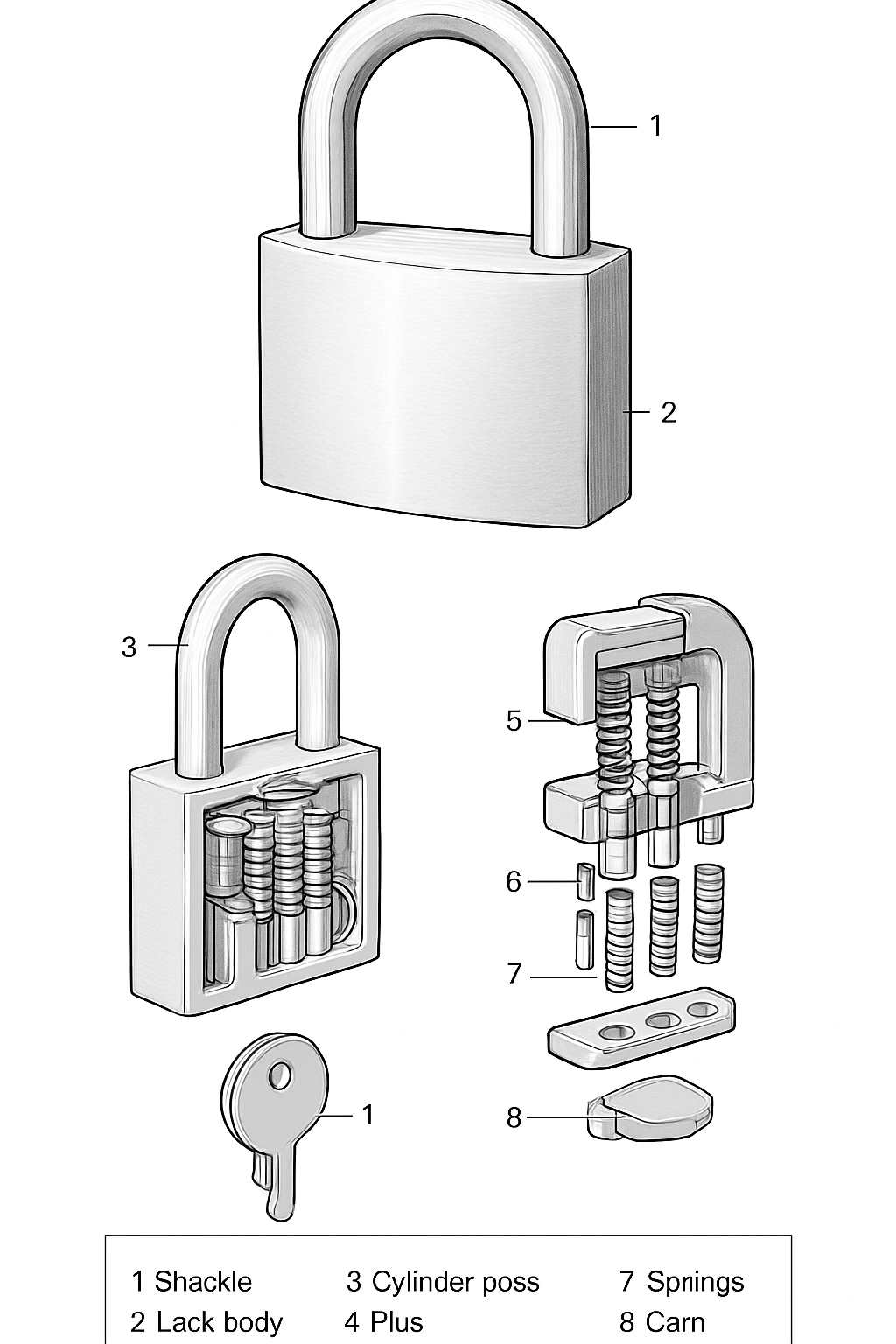
Rekeying changes the keying mechanism inside the lock so old keys no longer work, and it avoids the higher cost and fuss of a full lock swap. In typical apartment turnover scenarios, rekeying a deadbolt or cylinder can take a locksmith five to 20 minutes per door depending on type and access, and parts often cost under $20 per cylinder if you supply a standard cylinder. However, rekeying is not a universal fix: if the lock is damaged, badly corroded, or a cheap cylinder that fails tests, replacement is the prudent choice.
When to replace locks rather than rekey
When a deadbolt or doorknob binds, skips when turning, or the strike plate is badly worn, a replacement reduces repeat service calls and tenant complaints. If you need hardened cylinders, restricted keyways, or ANSI grade 1 fixtures for liability or tenant safety reasons, replacement gives you the upgrade rather than a cosmetic rekey. Finally, replace if the door or frame alignment is poor and undermines lock performance, because a healthy lock needs good installation to function as intended.
Simple records that reduce liability and confusion
Documenting each lock change with date, technician, and key identification prevents confusion and protects you if a tenant alleges negligence. If you use a keyed-alike setup for interior doors or a building master key, record which cylinders are on which bitting series and retain at least one spare key in a locked manager file or safe. Always request an itemized invoice from the locksmith showing parts, labor, and mileage so you can bill appropriately or audit the work later.
Real numbers and ranges from service work
Expect a simple rekey from a professional locksmith to fall in a range rather than a single number because travel time, door type, and volume matter. Replacement of a basic deadbolt will typically run from around $60 to $180 installed for a residential-grade cylinder and knob, while commercial-grade or restricted keyway systems can be several times that. A simple annual budget line per unit that accounts for tenant turnover and occasional lockouts will save surprises and help you pick an affordable, reliable locksmith partner.
An efficient schedule that avoids last-minute scrambles
Having a single point of contact for key control prevents conflicting instructions and saves time when coordinating with locksmiths. A quick pre-service check avoids surprises like stripped cylinders, broken thumbturns, or misaligned strikes that can increase cost and time on site. If the property requires immediate rekey for security, call a local qualified locksmith and ask for arrival windows rather than vague promises, and schedule nonemergency work during business hours to save on fees.
Choosing a locksmith for rental properties
Ask for a license if your state or locality requires locksmith licensing and insist on business insurance and a physical storefront or fleet ID. Request references from other landlords or property managers, and ask the locksmith whether they perform both rekeys and replacements for residential and commercial locks. Red flags include vague quotes, refusing to show ID, or only accepting cash without a proper invoice, and you should move to another vendor if any of these appear.
Key control strategies that protect owners and tenants
Tight physical control over master keys prevents internal mistakes and reduces the attack surface from lost or copied keys. Restricted keys increase control because duplicates require authorization and often must go through the original manufacturer or an authorized dealer, but they cost more and complicate emergency replacements. Design your keying hierarchy to match operations: simple builds can use one or two levels, while larger complexes may need full master-key systems.
Handling emergency lockouts and the role of 24 hour locksmiths
A written policy on lockout charges reduces disputes and allows your locksmith to bill a tenant or the owner according to prearranged terms. A standing relationship with an emergency locksmith often yields priority service and clearer pricing for both scheduled and emergency jobs. This practice stops tenants from using unvetted contractors and shifting repair liability to you without oversight.
Upgrades landlords should consider over time
Small, inexpensive upgrades such as 3-inch screws in the strike plate and a hardened strike box produce outsized returns in security and longevity. If your portfolio justifies it, transition high-traffic entries to commercial-grade locks or electronic access control that logs entries for common areas. Plan upgrades over several cycles, targeting the highest-risk doors first and replacing parts on a schedule to avoid a cascade of emergency replacements.
Small practices that prevent big headaches
Address minor lock issues proactively to avoid emergency locksmith emergency locksmith in Orlando Florida 24 hours calls and tenant complaints that hit during weekends or holidays. Storing spares under proper controls avoids accidental tenant access and ensures you have a last-resort option that does not require drilling a lock. A little procedure goes a long way toward a smooth maintenance operation and a defensible record if disputes arise.
How to get fast, reliable service
Clear instructions and preauthorization speed the job and reduce time on site and therefore cost. Request a written scope for replacements including brand and grade of hardware to avoid surprises when the technician arrives. Invest time in vetting vendors once and you will avoid rushed decisions during high-pressure churn.